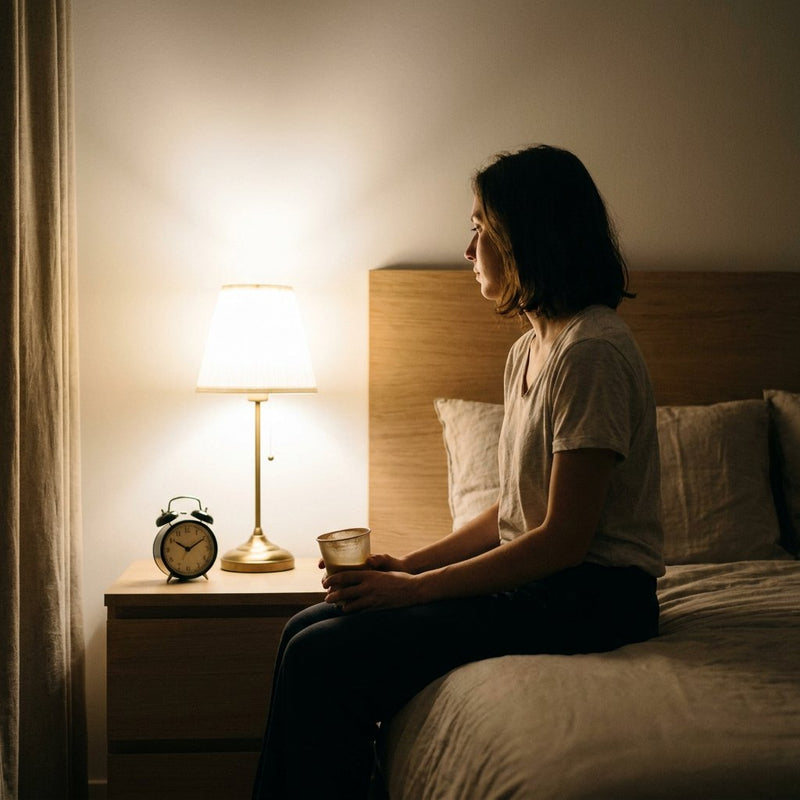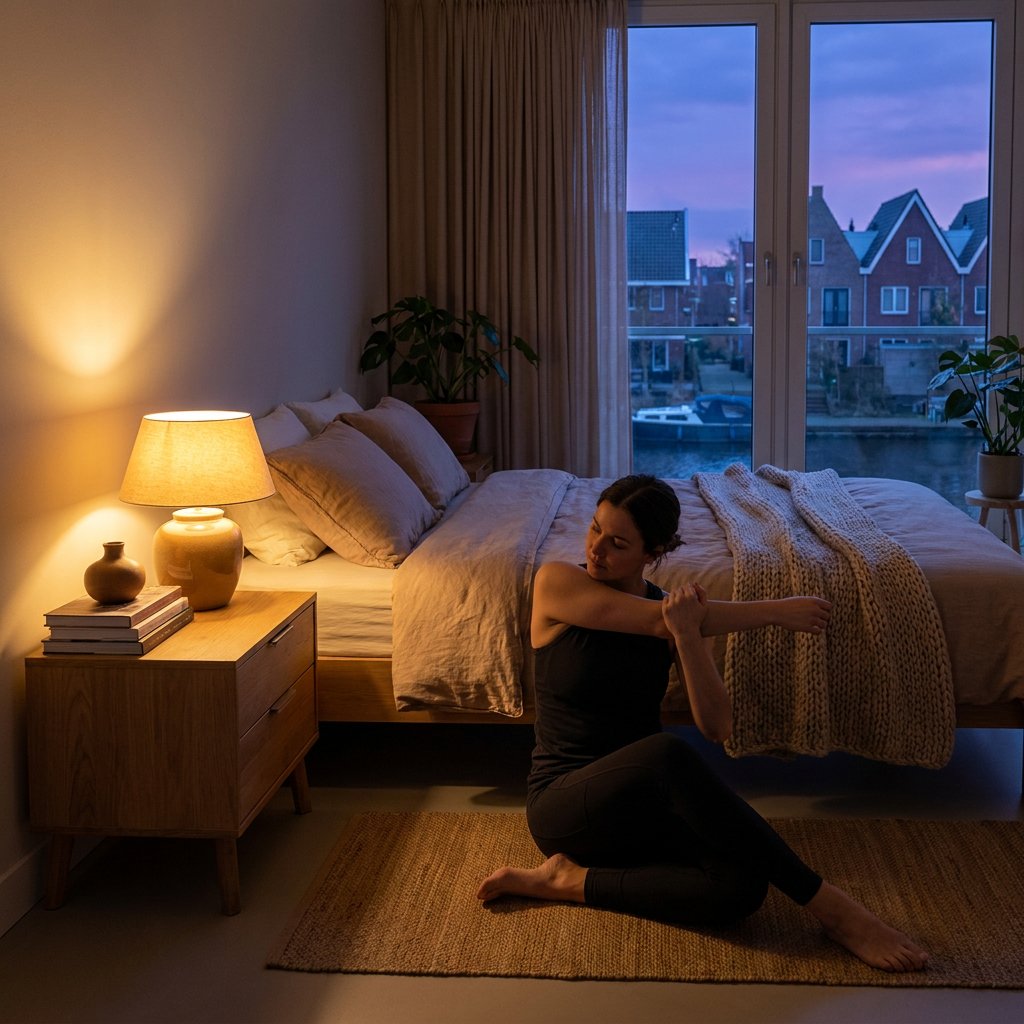

The short answer: working out in the evening isn’t automatically bad for your sleep. The intensity of your workout, when you finish, and how sensitive you are to stimulation determine whether you drift off easily afterward or end up lying awake.
Gentle movement works fine for many people in the hours before bedtime. Think walking, yoga, or an easy bike session. HIIT, heavy strength training, or a long intense run often leave your body with too many “on” signals. Still feel wired after exercise? Below you’ll find why that happens, which workouts fit the late evening better, and how to fall asleep faster after a late session.
How a late workout affects your body and sleep
Why can’t you sleep sometimes after working out? Usually because your body hasn’t finished winding down. After an intense evening session, your heart rate, body temperature, and alertness often stay elevated for a while. That’s useful during training, but less ideal if you want to fall asleep soon after. If you overheat at night or sweat a lot, check out this smart fix for night sweats. The result can be tossing and turning, restless sleep, or feeling like you’re getting less deep sleep.
If you sleep poorly after exercise, it’s often a combo of factors: how hard the workout was, how late you finished, and how sensitive you are to physical and mental stimuli. One person can easily do a gentle ride at 9 pm and sleep, while another stays “on” for a long time after an intense run or heavy lifting.
Habituation plays a role too. If you train in the evening more often, your body can learn to handle it better. Still, if late workouts keep disrupting your sleep, you don’t have to quit evening movement altogether. It’s smarter to tweak the load or timing and align your rhythm better; understanding your sleep cycle helps with that. Often, that’s exactly what makes the difference between heading to bed feeling good and struggling to sleep after exercise.
When exercise actually helps you sleep better
Exercise and sleep often strengthen each other. Regular movement helps release tension, builds natural sleep pressure, and supports a more stable rhythm. That’s why many people sleep better in the long run thanks to exercise, even if they can’t always train early in the day.
Even evening workouts can work well, as long as the load fits the moment. Moderate activity often leaves your body pleasantly tired without keeping you amped for hours. Think a gentle workout, a relaxed bike ride, or a short mobility session. If there’s still enough time afterward to wind down, that often pairs just fine with a good night’s sleep.
The benefits go beyond falling asleep faster. Quality movement supports recovery, boosts your mood, and makes it easier to stick with training long term. And it doesn’t have to be heavy. Daily walking, taking the stairs, or a short easy session can already make a noticeable difference for better sleep. For sleep and exercise, consistency usually matters more than peaks in intensity.
Which workouts fit the late evening better?
| Type of workout | Examples | Effect on sleep late in the evening | Practical advice |
|---|---|---|---|
| Light | Walking, gentle yoga, mobility, light stretching | Often supports sleep because you’re moving without revving up your system too much. | Can work relatively close to bedtime for many people, as long as you wind down calmly. |
| Moderate | Easy cycling, a relaxed circuit, calm swimming | Often pairs well with sleep, but usually needs a bit more buffer time than light movement. | Great in the evening if you don’t finish too late and keep your intensity in check. |
| Intense | HIIT, heavy strength training, team sports, intense running | More likely to cause poor sleep after running or after strength training, especially if you finish late. | Rule of thumb: the more intense the workout, the bigger the buffer you usually need before bedtime. Plan these sessions earlier. |
How to fall asleep faster after working out
- Wind down your workout gradually. Going straight from full effort to bed often backfires. A short cooldown, easy walking or spinning, and a few light stretches help your body switch from action to rest.
- Use your breath as a brake. A few minutes of slow, deep breathing can help lower your heart rate and calm restlessness. Especially if your head is still “in the workout,” this often makes an immediate difference.
- Watch what you have late at night. Rehydrate to replace what you lost, but avoid caffeine, energy drinks, or pre-workout late in the evening (read more about caffeine and sleep). If you’re hungry, pick something light and easy to digest rather than a heavy meal right before bed.
- Use light as a clear signal. Dim the lights after your session and limit screens if they keep you alert. Bright light and endless scrolling keep your brain awake longer than needed.
- Make your bedroom work for you. Dark, cool, and quiet usually sleeps best, especially if your body is still recovering. If blackout is tricky, a sleep mask can help. Fresh, comfy bedding like a cooling duvet makes it easier to fully relax. Want extra focus on your head and neck? A cooling pillowcase can help you cool down faster. Not sure if cooling fabrics make sense for you? Read: cooling fitted sheet: when does it really help?
- Choose a simple recovery ritual. A warm shower or bath feels like a clear endpoint to the evening for many people. Pair it with a consistent bedtime so your body learns: the workout is done, now it’s time to sleep.
Working out after a bad night: when is easing off smarter?
After a sleepless night or poor rest, training isn’t automatically wrong, but the real question is which workout is still useful. In most cases, it’s smarter to lower the intensity, shorten the session, or choose active recovery instead of a heavy, high-stimulus workout. Sleeping well before you train simply gives your workout more quality.
Sleep loss affects more than just your energy. Your reaction time, focus, coordination, and recovery capacity can all be dulled. That makes training feel harder, can reduce quality, and raises the odds that technique or concentration slips. Especially when you’re very tired, “pushing through” isn’t automatically the best choice.
There are plenty of practical alternatives: a gentle walk, a mobility session, easy cycling, or a short recovery workout. If a power nap earlier in the day fits your rhythm better, that’s often smarter than revving yourself up with a heavy session late at night. You’ll keep movement in your day without putting your night back under pressure.
Notice fatigue keeps piling up, your performance drops, and your sleep is consistently getting worse? Then there may be more going on than just awkward timing. Too little recovery or overtraining is more likely. In that case, “training harder” usually helps less than “pacing smarter.”