
Soothe your nose and throat before bed, support your head and upper body comfortably, and keep your bedroom pleasantly cool. That can make sleeping with a cold more comfortable. These steps don’t cure the cold directly and don’t guarantee an uninterrupted night. The advice is intended for adults. Many comfort measures also apply to the flu, but the flu and a cold are different infections.
Why do cold symptoms feel worse at night?
When you lie down, nasal congestion and mucus at the back of your throat can be more bothersome. With a cold, the nasal lining swells, leaving less space to breathe through your nose. Lying down can intensify that congestion. A blocked feeling isn’t just about the amount of mucus: even with little snot your nose can feel very congested.
Mucus can also reach the back of your throat more easily when lying down and trigger a cough reflex there. That’s why you sometimes wake up again just as you’re dozing off. Coughing and struggling to breathe through your nose can interrupt your night’s sleep, even if you managed reasonably well with the same symptoms during the day.
With a stuffy nose you’re also more likely to breathe through your mouth. The air dries out your mouth and throat, which can make your throat feel raw or sore. That can trigger a tickle and coughing again. Different symptoms can reinforce each other without the infection itself suddenly getting worse.
In a quiet bedroom there are fewer distractions and bodily sensations stand out more. Daily biological rhythms can also influence how strongly you experience your symptoms. The difference between day and night therefore doesn’t have a single cause.
With the flu, fever, chills and muscle aches can also disrupt sleep. You may feel alternately hot and cold, or struggle to find a comfortable position. Poor sleep with the flu isn’t only due to nasal and throat symptoms.
How does sleep help your recovery from a cold or the flu?
Sleep supports recovery processes and the normal function of your immune system. For adults, seven to nine hours of sleep per night is a general guideline. When you’re ill, you may need more sleep and rest: your body is responding to the infection and your daily activities take more energy.
Sleeping a lot when you have the flu or a cold isn’t unusual. Listen to your fatigue and take daytime rest when you need it. Extra sleep by itself doesn’t clearly shorten the infection; taking rest isn’t the same as forcing yourself to sleep.
Give your stuffy nose relief before bedtime
- A saline spray or nasal rinse can loosen mucus and temporarily relieve nasal congestion. A saline solution works differently from a decongestant nasal spray: the latter reduces swelling in the nasal lining.
- For sprays or rinses, follow the product instructions. Use sterile or distilled water for nasal rinses, or water you’ve boiled and let cool. Don’t use unboiled tap water. Keep the rinse equipment clean and let it dry after use.
- A warm, not hot shower can feel nice and help you relax before bed. The humid air can offer temporary comfort, but steam isn’t a proven treatment for the infection.
- Don’t steam over a bowl of hot water. The water and steam can cause burns, for example if the bowl tips over.
Choose a sleep position that feels good
- A slightly elevated head and upper body can reduce congestion or cough triggers while lying down for some adults. Support your upper back too, so it’s not just your head that’s raised.
- Keep your neck relaxed and in a natural position. A high stack of pillows can push your chin toward your chest and feel uncomfortable.
- Try side or back sleeping and pick what feels comfortable for you. There’s no single sleep side that clears a stuffy nose for everyone. Feel free to switch positions if you’re not comfy.
Stay hydrated and soothe your throat
- Drink enough throughout the day, for example water, caffeine-free tea, or broth. You don’t need to drink large amounts at once.
- A warm, not hot drink can soothe your throat. A little honey can offer temporary relief for an irritated throat or nighttime cough.
- For a sore throat, you can gargle with lukewarm salt water. Take a sip, gargle, and spit it out. Don’t swallow it.
- Skip alcohol and caffeinated drinks right before bed. Alcohol can disrupt your sleep and caffeine keeps you awake longer.
Keep your bedroom fresh without cooling it down
- Keep the room pleasantly cool, not chilly. Prevent overheating by not turning the heat up too high. Match your comfort to how you feel with a fever or chills. Not sure? Read advice about heating on while you sleep.
- Sleeping with the window open when you have a cold is fine if it feels good and doesn’t cause a draft. An open window won’t cure the infection. You can also air out the bedroom before bed; read more about ventilating your bedroom and then close the window.
- Only use a humidifier when the air is truly dry. A hygrometer helps you monitor the right humidity in the bedroom. If you use one, change the water daily and clean the device carefully according to the manual to prevent contamination and mold.
- Essential oils aren’t a necessary or proven remedy. Strong scents can actually irritate your airways.
Keep your bed and bedroom calm and comfortable
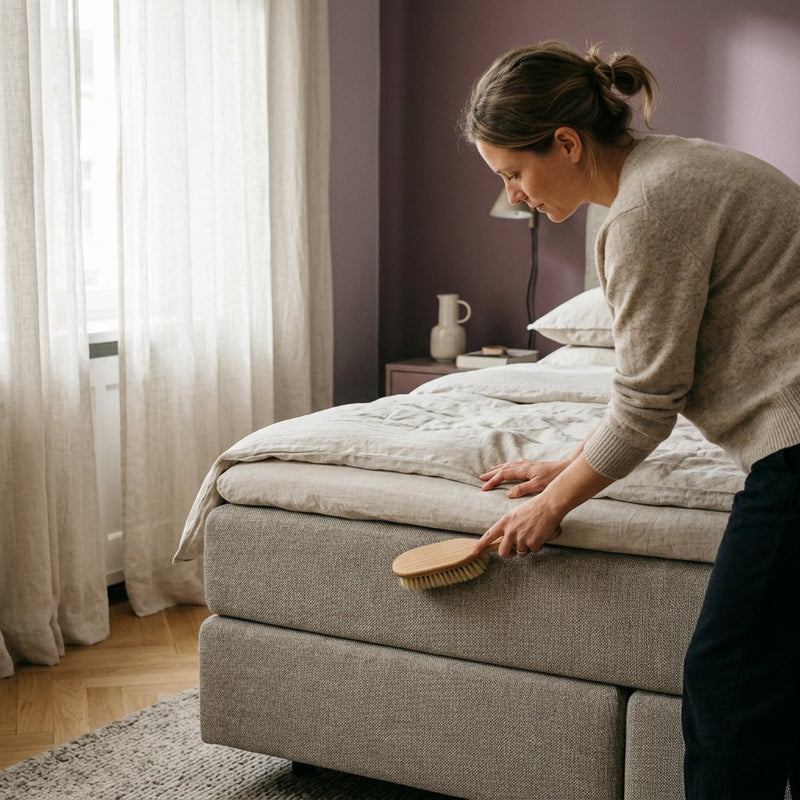
A calm environment and easy to adjust bedding help you stay comfortable when you’re not feeling well.
- Darken the room with curtains or blackout shades. Turn off notifications on your phone and put your screen away before bed. Cut down on noise, for example by closing a door or switching off appliances.
- Layer your bed so you can fold pieces back when you get warm, like a sheet and a washable duvet. That way you adjust the warmth without remaking the whole bed.
- Our HappyBed all season duvets don’t need a separate cover and are fully machine washable, which makes changing the bed easier. Also read when and how often to wash your duvet, especially when you’re ill.
- Keep water and tissues within reach. Put a small trash bin next to your bed so you don’t have to get up as often.
Give yourself a break if you can’t fall asleep
- Choose something relaxing. Breathe gently without forcing it, listen to calm music, or do a short meditation. Don’t turn falling asleep into a must succeed task.
- Still awake and getting frustrated? Get out of bed for a bit, read something calming in dim light, then head back when you feel sleepy.
- If you’re hungry, have a light meal or some soup. Avoid heavy, greasy, or strongly spiced foods right before bed that can upset your stomach.
- Dial down your effort while you’re ill. Skip intense workouts, especially late in the evening.
Use cold remedies carefully
A decongestant nasal spray can help short term with a blocked nose. Stick to the maximum duration in the leaflet. Using it too long can actually cause more congestion.
Paracetamol can ease pain or fever, but it isn’t a sleep aid. Follow the leaflet for dosing and suitability. Avoid doubling up on active ingredients if you’re also using a combination cold product.
Some cold remedies can make you restless or drowsy. Antihistamines and cough suppressants aren’t a go to for sleep. Ask the pharmacist if you’re unsure about cough medicines, interactions with other meds, or what’s appropriate for your situation.
When is it wise to seek medical help?
- Contact your GP if symptoms persist, clearly worsen, or come with ongoing or recurring fever. Don’t keep treating these changes as mere sleep issues.
- Call 112 for severe shortness of breath, difficulty waking, or intense chest pain. These are red flags that need urgent care and don’t belong to ordinary sleep troubles.
- Discuss persistent nighttime cough or breathing problems with your GP, especially if you already have a respiratory condition. These symptoms deserve evaluation, even if you think they’re just part of a cold.