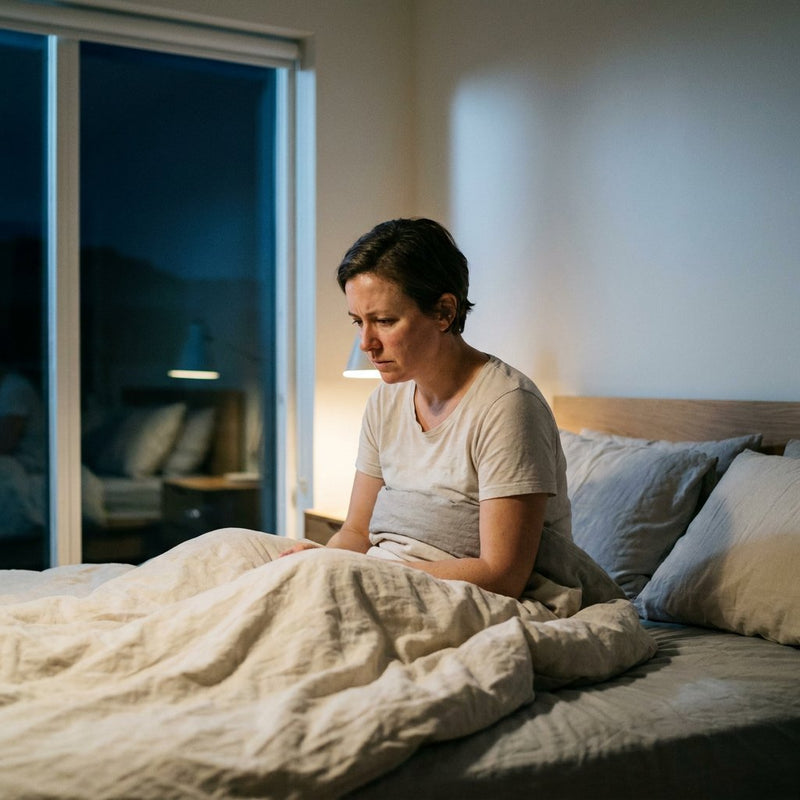

Cold feet in bed are often caused by a simple combo of reduced circulation, heat loss, damp feet, or a bed climate that doesn’t suit you. Luckily you can often feel a difference tonight with a few practical steps: move a bit before bed, put on dry warm socks, and preheat your bed with a hot water bottle. Don’t wait for your feet to warm up under the duvet on their own, because with ice-cold feet that’s usually slow, especially if you haven’t chosen the right size coverless duvet.
Do your feet often stay cold, hurt, or change color? Then it’s good to look deeper. Stubbornly cold feet aren’t always just a comfort issue and can be a reason to have your symptoms checked medically.
Why your body pulls heat away from your feet in the evening
When you’re cold, your body first protects your vital organs. It keeps your core as warm as possible and sends less warmth to your hands and feet. That’s why cold feet in bed often feel extra noticeable, even if the rest of your body is still fairly comfortable.
Your feet are also farther from the heart than many other body parts. That means they often warm up later, especially after a cool evening, long periods of sitting still, or little movement. Once you’re lying still in bed, you notice that difference even more. Cold toes or feet can make it harder to fall asleep because your body keeps restlessly searching for warmth.
On its own that’s often harmless. But if this happens a lot, it’s smart to watch for patterns: does it happen only in a cool bedroom, or also in a warm room and in other seasons?
The most common causes, from circulation to sweaty feet
The cause of cold feet in bed is often clear from the surrounding signals. This overview helps you spot everyday causes and see when to look further.
| Cause | How do you recognize it? | What can you do yourself? |
|---|---|---|
| Little movement or sitting still for a long time | Mostly cold toes or feet, often after an evening on the couch | Take a short walk, tense your calf muscles, rotate your ankles |
| Cool bedroom or cold bed | Complaints mainly when getting in, sometimes also cold lower legs at night | Preheat the bed, add an extra insulating layer, choose the right duvet |
| Clammy or sweaty feet | Feet feel warm or damp at first, then suddenly cold | Put on dry socks, use breathable materials |
| Hormonal fluctuations | Temperature issues vary over time; women report them more often, but men can have them just as well | Adjust your bed climate and choose bedding that’s not too warm |
| Broader circulation issue | Not just cold feet, but also cold hands, lower legs, tingling or clear discoloration | Read the warning signs below and get persistent symptoms checked |
How to warm up your feet quickly before bedtime
If you want to warm your feet quickly in bed, it’s better to start before you get under the covers. This often works better than waiting.
- Take a short walk around the house or do a few minutes of calf raises, ankle circles or light stretches. That stimulates circulation.
- Pre-warm the bed with a hot water bottle. Only use electric devices that are safe for use in bed and always follow the instructions.
- Put on dry, warm socks without tight elastic. Tight socks can backfire.
- Give your feet a quick massage. Rubbing or gentle kneading often helps spread warmth faster.
- Try a short warm foot bath or alternating hot and cold. It can also help you relax before bedtime.
- Do you struggle with cold, sweaty feet in bed? Dry your feet well first, because moisture cools quickly and makes your feet cold again.
The bed choices that really make a difference
If the issue is mostly your bed climate, the right choices in bed make more difference than you think. A winter duvet without cover can be great if you’re a real cold sleeper. For maximum warmth choose a duvet warmth class 1. Have changeable nights? Then a 4-season duvet is often more practical. If you love extra cozy and soft, go for a teddy duvet without cover. Do you overheat easily? Pick a lighter option instead. That way you can keep your feet warm in bed without the rest of your body getting too hot.
Breathable materials matter here. Feet that sweat first will cool down faster afterward. An insulating layer, like a molton fitted sheet, or a protective top layer can help if cold seeps up from the mattress or topper. At HappyBed we focus on washable, coverless duvets and bedding that blend comfort with convenience. That’s especially helpful if your complaints are linked to warmth, ventilation and a fresh sleep climate, not just circulation.
If your feet actually get too warm
Feet that are too warm in bed can be just as annoying as cold feet. Often a too-warm duvet plays a role, and it helps to check which warmth class suits your duvet without a cover?, alongside poorly breathable materials, sweating, or fluctuating hormones.
- Keep your bedroom a bit cooler and avoid piling up heat around your feet.
- Choose lighter, more breathable bedding if hot feet keep you awake.
- Don’t wear thick socks if your feet get clammy.
- If your symptoms vary, go for adjustable bedding rather than the warmest option by default.
When always-cold feet are a reason to call your doctor
Always cold feet in bed are a good reason to call your doctor if it doesn’t match the room temperature or a cold bed. Especially in a warm bedroom, your feet should usually warm up over time. If they don’t, or if it bothers you all year and not just in winter, it’s wise to get it checked.
Watch for clear warning signs. Think skin discoloration, like turning pale, blue, or purple, persistent tingling, pain, numbness, or wounds that heal poorly. If one foot is clearly colder than the other, don’t ignore it. The same goes if cold feet come with cold hands, cold lower legs, or cramps, as that can point to a broader issue with circulation or nerves.
There can be several causes. Persistent cold feet can be linked to vascular issues, Raynaud’s phenomenon, diabetes, nerve damage, thyroid problems, anemia, or a vitamin B12 deficiency. That doesn’t mean cold feet automatically point to one of these conditions, but recurring symptoms can sometimes be more than just being sensitive to the cold. That’s why it helps to look at the full picture: when does it start, how often does it happen, do you also have discoloration or pain, and do your feet warm up with movement or when you preheat your bed?
If you have diabetes or already know you have circulation problems, be extra alert. Reduced sensitivity in your feet can make it harder to notice issues, or you might spot blisters or pressure spots too late. Check your feet regularly for color, temperature differences, and damage, even if you mostly think it’s “just cold feet.”
Unsure? It’s smarter to have someone take a look than to wait it out. Especially if cold feet are new for you, keep getting worse, or come with pain, color changes, or loss of sensation, getting a medical assessment is the safest move.